
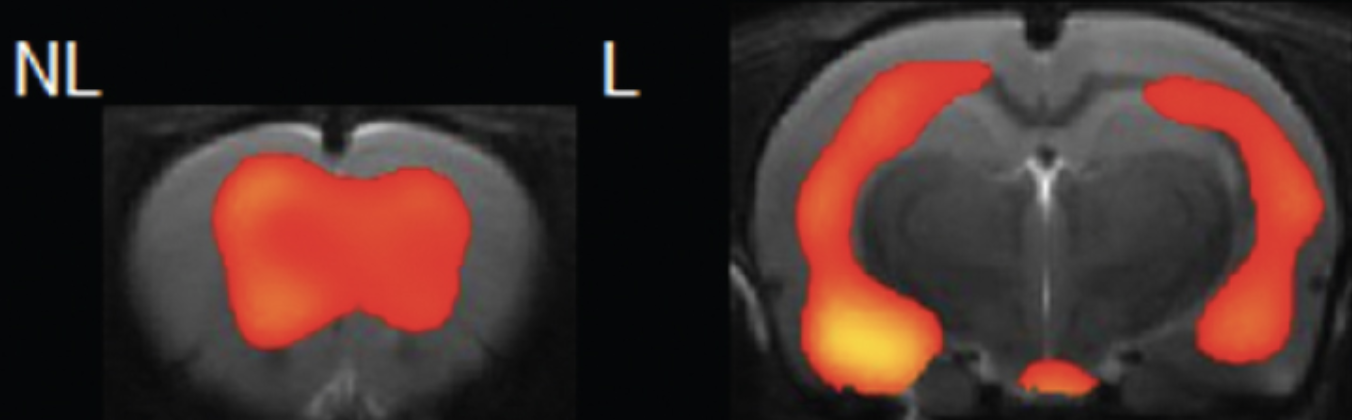
The gold-standard treatment for Parkinson’s disease is L-DOPA, which in the long term often leads to levodopa-induced dyskinesia. Serotonergic neurons participate to this side-effect by converting L-DOPA into dopamine leading to its uncontrolled release as a “false neurotransmitter”. The stimulation of serotonergic 5-HT1A receptors can reduce involuntary movements but this mechanism is poorly understood. This study aimed to investigate the functionality of 5-HT1A receptors in hemiparkinsonian rats with or without dyskinesia, using positron emission tomography.