
March 31, 2026
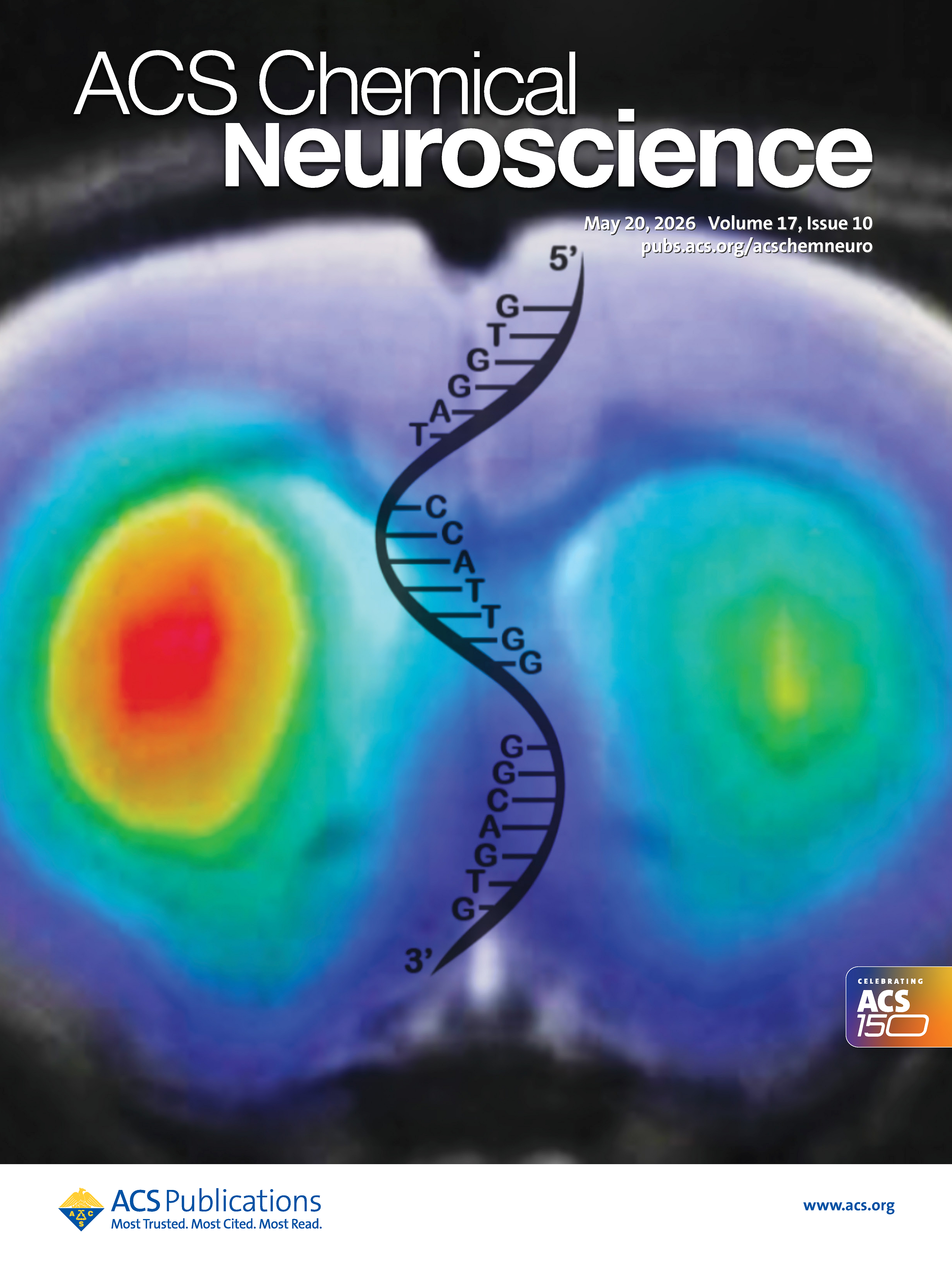
Antisense oligonucleotides (ASOs) are increasingly used to modulate gene expression in neurological diseases, but an important challenge is to understand where and for how long they remain pharmacologically active in the brain. In this study, we used PET imaging as a non-invasive way to follow these effects longitudinally.
We selected an ASO targeting the dopamine D2 receptor, that we first optimized with a chemically modified gapmer design to improve stability. Then we locally injected the gapmer ASO locally into the rat striatum. Because D2 receptors can be imaged with the well-established PET radiotracer [11C]raclopride, we could repeatedly measure receptor availability in the same animals over several weeks.
At the highest dose, a single ASO injection produced a clear decrease in D2 receptor availability, already visible after three weeks and still detectable up to the final PET measurement at ten weeks. The effect was dose-dependent and was accompanied by a dopaminergic imbalance (as visible by rotations of the rats after an apomorphine challenge), confirming that the receptor knockdown was functionally relevant.
For me, the main interest of this work is methodological: PET can provide a translational readout of ASO pharmacodynamics in vivo, allowing the same subjects to be followed over time rather than relying only on terminal molecular measurements. This could be particularly useful when developing CNS-targeted ASOs, for which duration of action and brain distribution are central questions.
The study was selected for the cover of ACS Chemical Neuroscience!